
The simplest way to tell them apart: a strain is a stretched or torn muscle or tendon, while a sprain is a stretched or torn ligament. Strains tend to come with muscle spasm, cramping, and soreness. Sprains tend to come with swelling, bruising, and joint instability. Both are common, both are treatable, and knowing which you’re dealing with helps you recover faster.
The Core Difference
It comes down to which tissue is injured. Muscles connect to bones through tendons, and they create movement. Ligaments connect bone to bone, and they stabilize joints. These tissues do different jobs, so when they’re injured, the symptoms and recovery look different.
A strain affects the muscle-tendon unit. A sprain affects the ligaments around a joint. Same general cause (overstretching or overloading the tissue), different structures.
People mix these terms up all the time, and that’s understandable. But the distinction matters because it changes how we treat the injury and what recovery should look like.
Signs of a Strain
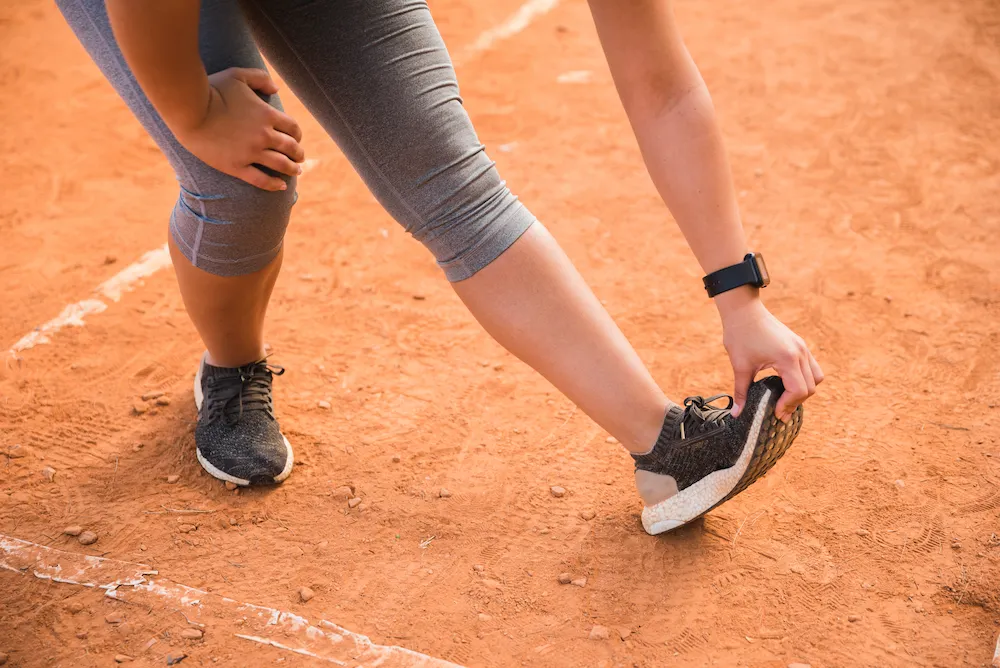
Strains happen when a muscle or its tendon gets stretched too far or contracts too forcefully. Think of pulling a hamstring sprinting, straining your lower back lifting something awkwardly, or tweaking your neck with a sudden movement.
The telltale signs include muscle pain and tenderness, muscle spasm or cramping, stiffness, weakness in the affected muscle, and difficulty moving it through its full range. You usually feel strains in the muscle belly itself, and they often tighten up over the hours after the injury.
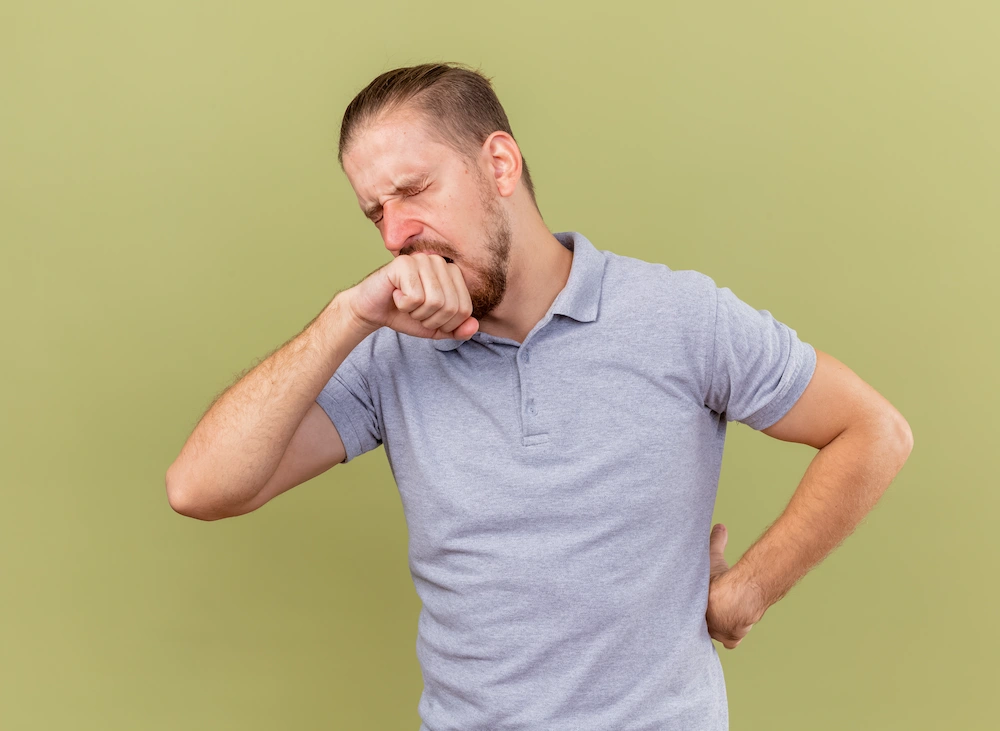
The lower back is one of the most common places for strains, which is something I treat regularly in Crawfordsville. The muscles supporting the spine are under constant demand and get strained easily when caught off guard.
Signs of a Sprain
Sprains happen when a ligament gets stretched beyond its limit or torn, usually from a joint being forced past its normal range. A rolled ankle is the classic example. Sprains also happen in wrists, knees, and the small joints of the spine.
The hallmark signs include swelling (often rapid), bruising, pain right at the joint, and a feeling of instability or looseness in the joint. Severe sprains can make the joint feel like it won’t hold your weight. Swelling and bruising are much more associated with sprains than strains.
Because ligaments have a poorer blood supply than muscles, sprains can sometimes take longer to fully heal than a comparable strain.
How Severe Is It? The Grading System
Both strains and sprains are graded by severity, which helps set realistic recovery expectations.
Grade 1 is mild – the tissue is overstretched with minimal tearing. There’s some pain and stiffness, but function is mostly intact. These usually heal within a week or two.
Grade 2 is moderate – partial tearing of the tissue. More pain, more swelling, noticeable loss of strength or stability. Recovery typically takes several weeks.
Grade 3 is severe – a complete tear or rupture. Significant pain, major swelling, and substantial loss of function. These sometimes require more involved treatment and occasionally surgical evaluation. Recovery can take months.
When You Can’t Tell the Difference
Sometimes it’s genuinely hard to know, and the two can happen together. A bad fall might strain muscles and sprain ligaments at the same time. The honest answer is that a proper examination is the reliable way to know for sure.
During an evaluation, specific tests help identify which tissue is involved. The location of the pain, how it responds to certain movements, the presence and pattern of swelling, and the mechanism of injury all point toward strain, sprain, or both.
What matters more than the label in the moment is making sure nothing serious is being missed and that you’re treating it appropriately.
What Both Injuries Need Early On
For the first 48 to 72 hours, the basics apply to both. Relative rest (avoid aggravating activities, but don’t immobilize completely), ice to manage inflammation and pain, and gentle movement within a comfortable range to maintain mobility.
The old advice to completely rest an injury has largely been replaced. Early gentle movement, once the acute phase settles, promotes better healing than prolonged immobilization for most strains and mild-to-moderate sprains.
Avoid heat in the first couple of days for both, since it can increase swelling during the acute inflammatory phase. Save heat for later, once swelling has settled and you’re dealing with residual stiffness.
How Chiropractic Care Helps Both
Strains and sprains both respond well to conservative care that supports healing and restores function. Chiropractic adjustments help when joint restriction or misalignment is contributing to or resulting from the injury, which is common with back and neck strains and spinal sprains.
E-Stim therapy reduces the muscle spasm that often accompanies strains and helps control pain and swelling. Massage therapy addresses the soft tissue tension and promotes circulation to the healing area.
The most important piece for both is rehabilitation. Functional rehabilitation rebuilds the strength and stability lost during the injury and corrects the patterns that led to it. Without this, both strains and sprains tend to recur, especially sprains, which can leave joints chronically unstable if not properly rehabilitated.
When to Get It Checked
Mild strains and sprains often resolve with good self-care. But see someone if you can’t bear weight on the joint, if there’s significant swelling or deformity, if the pain is severe, if you heard a pop at the time of injury, or if there’s no improvement after a week or so.
Numbness, tingling, or significant weakness also warrant evaluation, as these can indicate nerve involvement beyond a simple strain or sprain.
If you’ve strained or sprained something in Crawfordsville and aren’t sure how serious it is or how to recover properly, call us at 765-362-1500 or schedule online. Get Well. Stay Well.