Spinal decompression is a non-surgical therapy that gently stretches the spine to relieve pressure on compressed discs and nerves. It works by creating negative pressure inside the disc, which helps pull bulging or herniated material back and encourages healing nutrients to flow into the area. It’s especially helpful for disc-related pain, sciatica, and certain nerve issues that haven’t responded to other approaches.
The Basic Idea Behind Decompression
Your spinal discs sit between the vertebrae and act as cushions. Over time, or after an injury, these discs can become compressed, bulge outward, or herniate. When that happens, they can press on nearby nerves and cause pain, numbness, or weakness.
Decompression therapy addresses this by gently separating the vertebrae to take pressure off the disc. Think of it as creating a little more space where things have become crowded. That extra space is where the healing happens.
It’s a non-surgical approach, which appeals to the many patients in Crawfordsville who want to avoid surgery and heavy medication if there’s a reasonable alternative to try first.
What Actually Happens During Treatment
During a spinal decompression session, you lie comfortably on a specialized table. A harness is positioned to gently apply controlled traction to the targeted area of your spine. The table slowly and precisely stretches and releases, following a cycle designed to decompress the specific discs involved.
The process is gentle. Most people find it relaxing, and some even doze off during sessions. It’s not the aggressive pulling people sometimes imagine. The force is carefully controlled and tailored to your body and condition.
A typical session lasts somewhere in the range of a normal appointment, and a full course usually involves multiple sessions over several weeks, since disc healing takes time.
The Science of Negative Pressure
Here’s the part that makes decompression work. When the vertebrae are gently separated, it creates negative pressure inside the disc, essentially a gentle vacuum effect.
This negative pressure does two important things. First, it can help draw bulging or herniated disc material back toward the center, reducing the pressure on nearby nerves. Second, it improves the flow of water, oxygen, and nutrients into the disc. Discs have a poor direct blood supply and rely on this kind of movement to get what they need to heal.
So decompression isn’t just pulling things apart. It’s creating the conditions that allow a damaged disc to actually recover.
Who Spinal Decompression Helps Most
People With Disc Problems
This is the primary group. If you have a herniated or bulging disc causing pain, decompression directly addresses the mechanism. It’s one of the most effective non-surgical tools for disc-related pain.
People With Sciatica
When sciatica is caused by a disc pressing on a nerve root, decompression relieves that pressure at the source. Many patients with radiating leg pain find significant relief once the disc stops compressing the nerve.
People With Certain Nerve Compression Issues
Pinched nerves and some cases of spinal stenosis, where the space around the nerves narrows, can respond well to the added space decompression creates.
People Wanting to Avoid Surgery
For those hoping to exhaust conservative options before considering surgery, decompression is often worth trying. Many people get enough relief that surgery becomes unnecessary.
Who It Isn’t Right For
Being honest about this matters. Decompression isn’t appropriate for everyone. Certain conditions make it unsuitable, including some fractures, advanced osteoporosis, spinal tumors, certain surgical hardware in the spine, and pregnancy.
This is exactly why a thorough evaluation comes first. Before recommending decompression, we assess whether it’s a good fit for your specific situation. If it’s not the right approach for you, I’ll tell you and we’ll look at better options.
How It Fits Into a Complete Treatment Plan
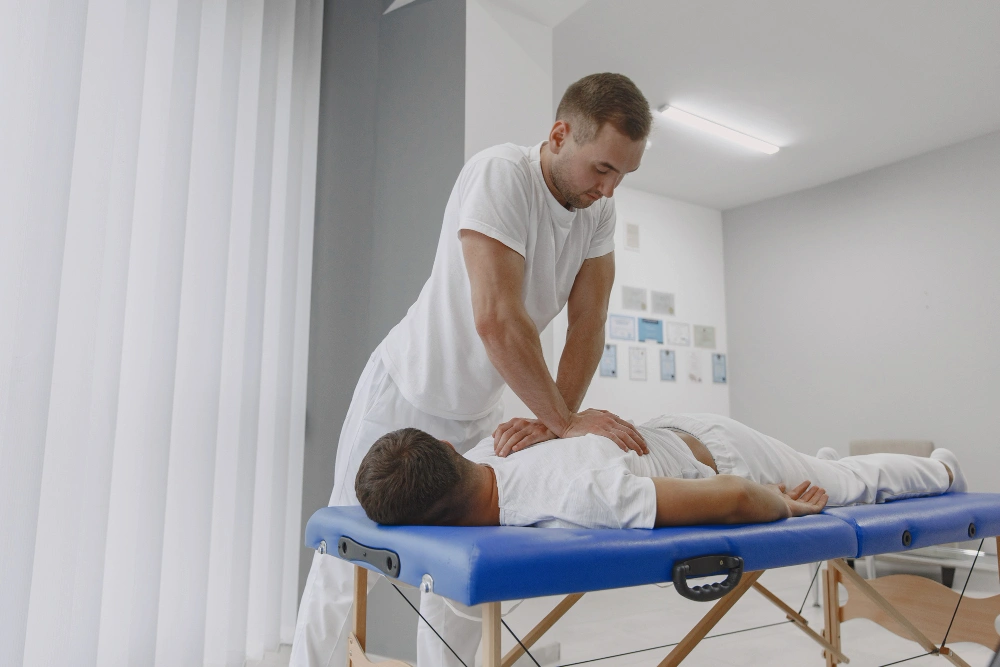
Decompression usually works best as part of a broader plan rather than in isolation. Chiropractic adjustments address the joint restrictions and alignment issues that often accompany disc problems. Once the disc pressure is relieved, functional rehabilitation builds the core strength and stability needed to protect the disc going forward.
Without that rehabilitation piece, disc problems tend to return. The decompression creates the opportunity for healing, and the strengthening work makes sure the results last. This combined approach is how we help patients get lasting relief rather than a temporary fix.
What Results Can You Expect?
Many patients notice improvement over the course of their treatment plan, though it’s gradual rather than instant. Disc healing simply takes time. Some feel relief relatively early, while others notice steady improvement across the full course of sessions.
I always set realistic expectations. Decompression is effective for the right candidates, but it’s not a miracle cure, and results vary based on the severity and nature of the disc problem. What I can promise is an honest assessment of whether it’s likely to help you.
Is Spinal Decompression Right for You?
If you’re dealing with disc-related back pain, sciatica, or nerve compression in Crawfordsville and want to explore a non-surgical option, decompression may be worth considering. The first step is a proper evaluation to see whether you’re a good candidate.
Call ChiroMed Crawfordsville at 765-362-1500 or book online. We’ll take an honest look at whether decompression is the right fit for your situation. Get Well. Stay Well.