Shockwave therapy is a non-invasive treatment that uses targeted acoustic pressure waves to stimulate healing in damaged soft tissues. For patients dealing with chronic pain that hasn’t responded to other treatments, it can be a turning point toward real relief.
At ChiroMed Crawfordsville, we offer shockwave therapy as part of our comprehensive approach to musculoskeletal care. It’s particularly useful for stubborn conditions that have resisted conventional treatment for months or even years.
What Is Shockwave Therapy?
Shockwave therapy, technically called extracorporeal shockwave therapy (ESWT), delivers high-energy acoustic waves through the skin to targeted areas of injury or chronic pain. The technology originated in urology for breaking up kidney stones, but researchers discovered in the 1990s that lower-energy applications could actually stimulate tissue repair rather than break things apart.
According to research published in the Journal of Orthopaedic Surgery and Research, shockwave therapy induces a cascade of biological responses at the cellular level. These include increased blood vessel formation and elevated levels of growth factors that promote tissue regeneration. The treatment essentially “wakes up” the body’s natural healing mechanisms in areas where healing has stalled.
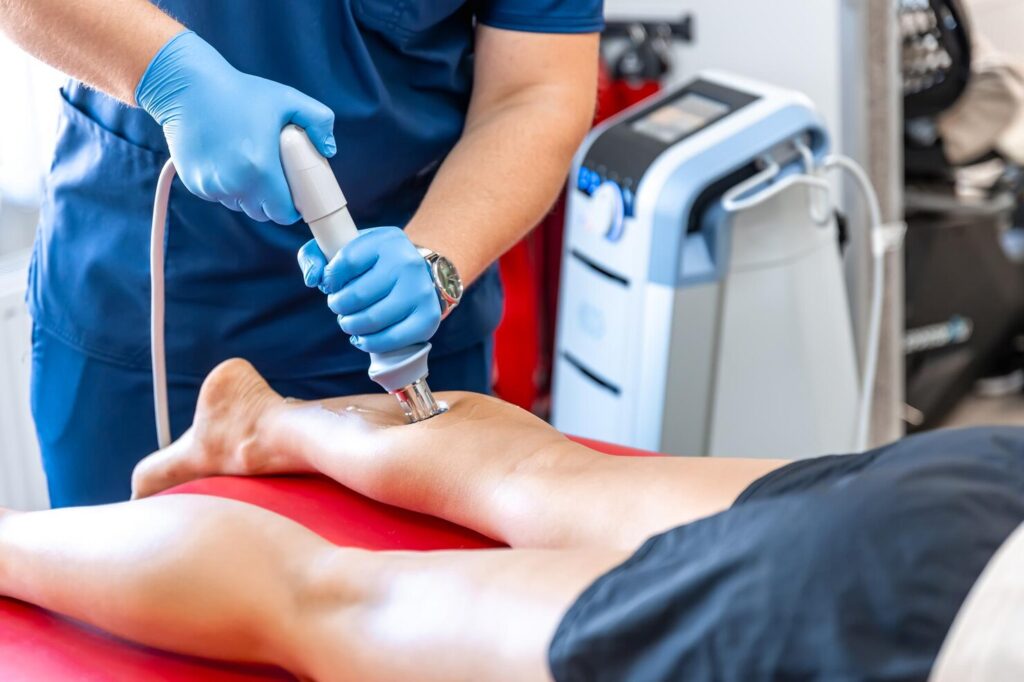
The procedure itself is straightforward. A handheld device delivers focused pressure waves to the treatment area. Sessions typically last 10 to 15 minutes, and most patients need somewhere between three and six treatments spaced about a week apart.
Conditions That Respond Well to Shockwave Therapy
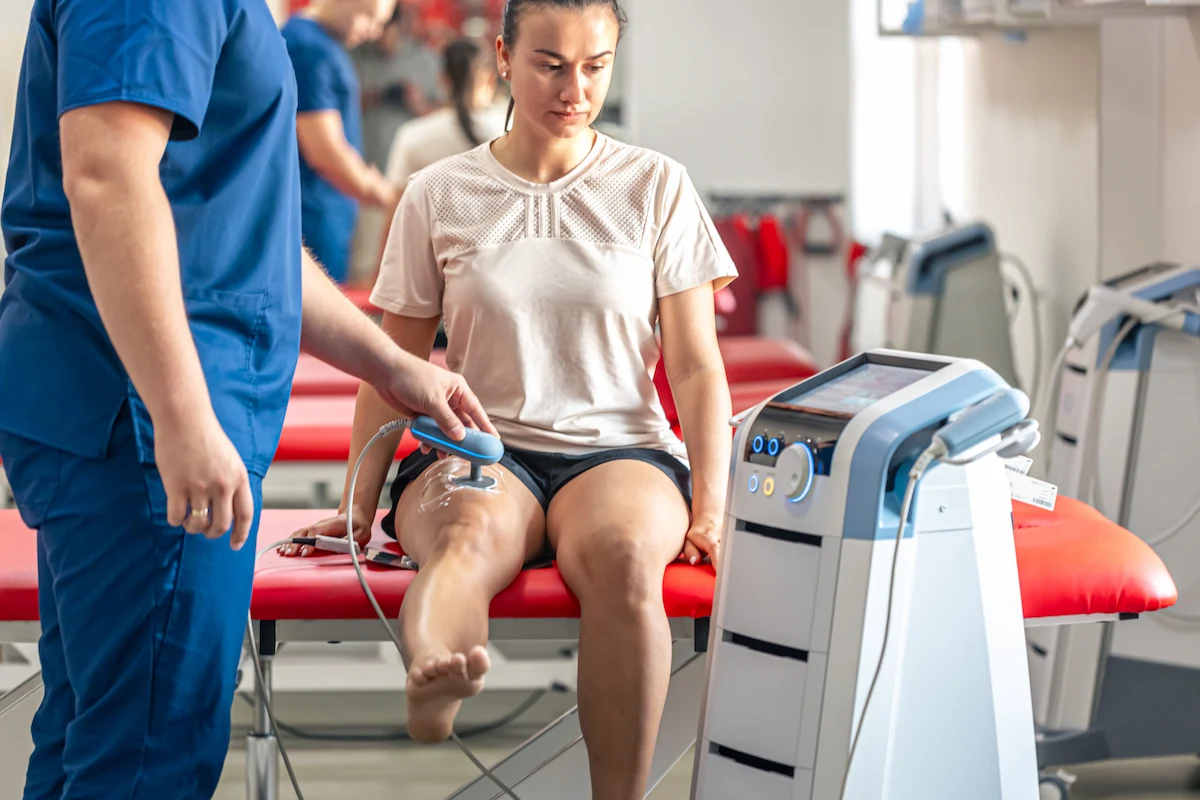
Shockwave therapy works best for chronic soft tissue problems, particularly tendinopathies and fascia-related conditions. Here’s where we see the strongest results:
Plantar Fasciitis That stubborn heel pain that’s worse with your first steps in the morning? Plantar fasciitis is one of the most well-studied applications of shockwave therapy. The FDA first approved ESWT devices for chronic plantar fasciitis back in 2000, and the research supporting its effectiveness has only grown since then. For patients who’ve tried rest, stretching, orthotics, and injections without lasting improvement, shockwave therapy often provides the breakthrough they need.
Tennis Elbow and Golfer’s Elbow Lateral and medial epicondylitis (the clinical terms for these conditions) involve degeneration of the tendons where they attach to the elbow. These areas have notoriously poor blood supply, which is part of why they heal so slowly. Shockwave therapy’s ability to stimulate new blood vessel growth makes it well-suited for these stubborn tendon problems.
Achilles Tendinopathy Chronic Achilles issues, whether at the insertion point on the heel or in the mid-portion of the tendon, often respond well to shockwave treatment. A 2023 narrative review found solid evidence supporting shockwave therapy for Achilles tendinopathy, with research showing both pain reduction and improved function.
Shoulder Tendinitis Calcific tendinitis of the rotator cuff is another condition where shockwave therapy shines. The treatment can help break down calcium deposits while simultaneously promoting healing of the underlying tendon tissue.
Hip and Greater Trochanter Pain Pain on the outside of the hip, often diagnosed as greater trochanteric pain syndrome or hip bursitis, frequently involves the gluteal tendons. Shockwave therapy can reach these deeper structures effectively.
How Shockwave Fits Into Comprehensive Care
Here’s something important to understand: shockwave therapy works best as part of a broader treatment plan, not as a standalone fix. At ChiroMed, we approach chronic pain through what we call the Three Pillars of Health: alignment, core stability, and healthy intake.
For many patients dealing with chronic tendon or fascia problems, the underlying issue isn’t just the painful tissue itself. There’s often a biomechanical component, whether that’s spinal misalignment affecting how forces transfer through the body, muscle imbalances creating abnormal stress patterns, or movement dysfunction that keeps re-aggravating the problem.
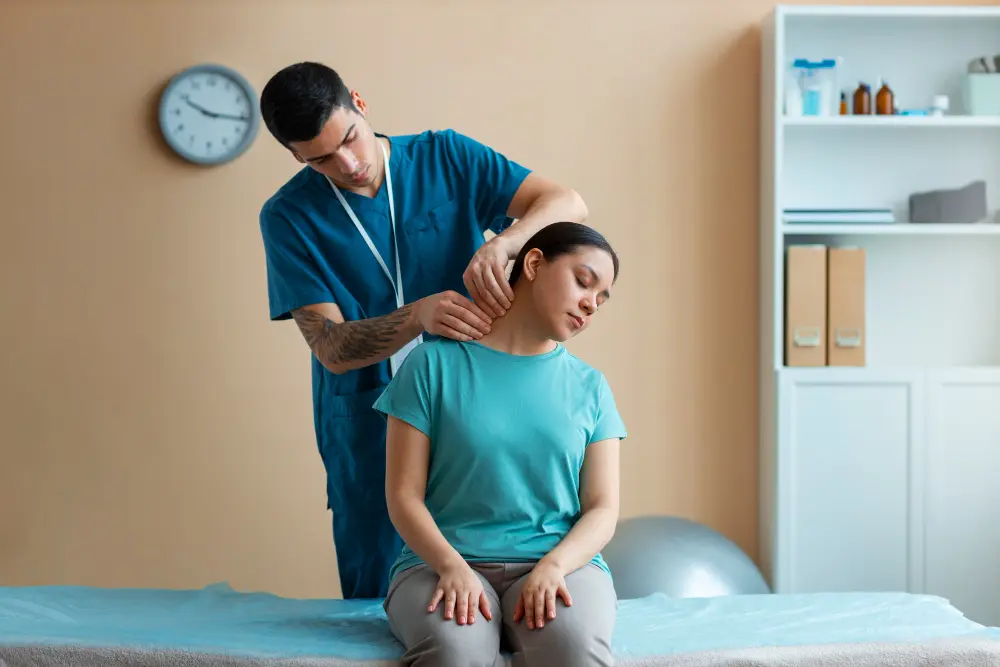
That’s why we typically combine shockwave therapy with chiropractic adjustments to address alignment issues and functional rehabilitation to build the stability needed to maintain results. We might also incorporate E-Stim therapy or massage therapy depending on your specific situation.
This comprehensive approach is what separates getting temporary relief from actually getting well and staying well.
What to Expect During Treatment
Patients often ask whether shockwave therapy hurts. The honest answer is that you’ll feel something, but most people describe it as tolerable discomfort rather than actual pain. The sensation is a rapid tapping or pulsing at the treatment site. Some areas are more sensitive than others, and we can adjust the intensity based on your feedback.
No anesthesia is needed for the treatments we perform at ChiroMed. You can drive yourself to and from appointments, and there’s no downtime afterward. Most patients return to their normal activities immediately, though we typically recommend avoiding high-impact exercise for 24 to 48 hours after each session.
Results aren’t usually immediate. The treatment initiates a healing response that unfolds over weeks. Many patients notice gradual improvement starting around two to four weeks after beginning treatment, with continued progress over the following months.
Is Shockwave Therapy Right for You?
Shockwave therapy isn’t appropriate for everyone. It’s generally not recommended for people with blood clotting disorders, those taking blood thinners, pregnant women, or patients with infections or tumors in the treatment area. We’ll review your complete health history before recommending this treatment.
The best candidates are typically patients who:
- Have had symptoms for at least three months
- Haven’t gotten lasting relief from conservative treatments like rest, ice, stretching, or physical therapy
- Want to avoid surgery or injections
- Are dealing with a diagnosed tendinopathy or fascia problem
If you’ve been dealing with chronic back pain, shoulder pain, heel pain, or other soft tissue problems that just won’t quit, shockwave therapy might be the missing piece.
Frequently Asked Questions
How many shockwave treatments will I need? Most patients benefit from three to six sessions, spaced about a week apart. We’ll evaluate your progress and adjust the treatment plan as needed.
Does insurance cover shockwave therapy? Coverage varies by plan. Some insurance providers cover ESWT for specific conditions like plantar fasciitis, while others consider it investigational. We can help you understand your coverage options.
Are there any side effects? Side effects are generally mild and temporary. Some patients experience redness, minor swelling, or bruising at the treatment site. These typically resolve within a day or two.
Ready to find out if shockwave therapy could help your chronic pain? Schedule a consultation with Dr. Jeff McIntyre at ChiroMed Crawfordsville or call (765) 362-1500. We’ll evaluate your condition and put together a treatment plan designed to help you get well and stay well.