
Spinal decompression is one of the most effective non-surgical treatments for sciatica, helping relieve pressure on the nerve root causing your leg pain. At ChiroMed Crawfordsville, Dr. Jeff McIntyre, DC uses this therapy alongside chiropractic adjustments to address the underlying disc issues that trigger sciatic nerve irritation.
What Sciatica Actually Is (And Why It Hurts So Much)
Sciatica isn’t a diagnosis on its own. It’s a symptom pattern caused by irritation or compression of the sciatic nerve, which runs from your lower back through your hips and down each leg. When something presses on this nerve near its origin in the lumbar spine, you feel it far from the source.
The sensation varies from person to person. Some patients describe a sharp, shooting pain that travels down the back of the thigh. Others experience a dull ache, burning, or tingling that reaches into the calf or foot. Numbness and muscle weakness can also occur, making it difficult to stand, walk, or even sit comfortably.
Common Causes of Sciatic Nerve Compression
Several spinal conditions can trigger sciatica:
- Herniated or bulging discs pressing directly on the nerve root
- Degenerative disc disease causing disc height loss and narrowing of nerve pathways
- Spinal stenosis (narrowing of the spinal canal)
- Bone spurs from arthritis encroaching on nerve space
According to the American Academy of Orthopaedic Surgeons, disc herniations are among the most frequent causes of sciatica in adults. The good news? Many of these disc-related problems respond well to conservative care, including spinal decompression therapy.
How Spinal Decompression Works
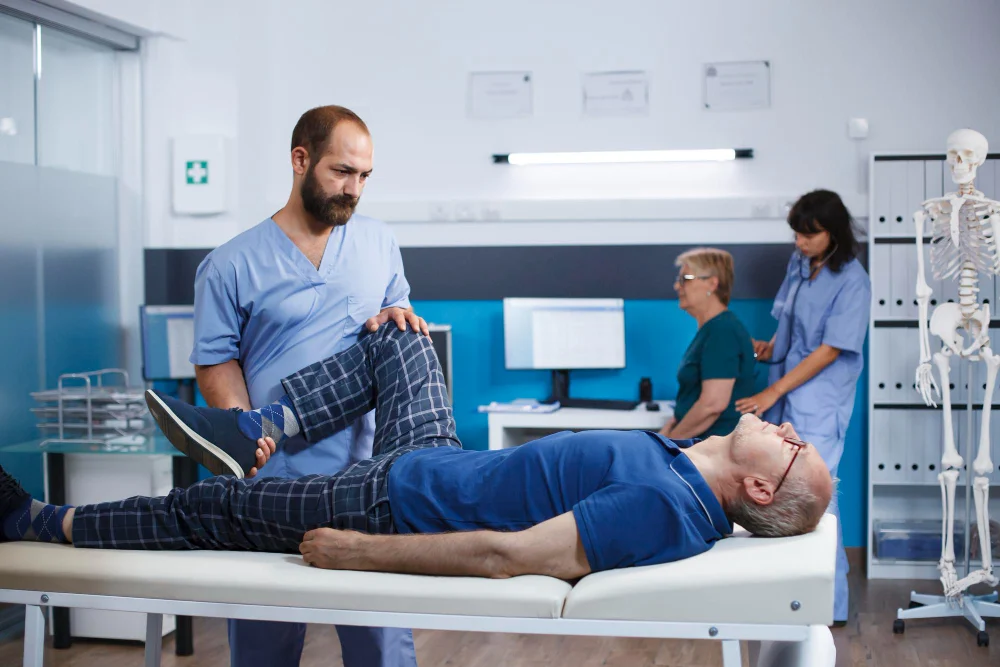
Spinal decompression uses a specialized table to gently stretch the spine in a controlled, cyclical pattern. This creates negative pressure within the affected disc, which accomplishes two important things.
First, the negative pressure can help retract bulging or herniated disc material away from the nerve. Think of it like creating a vacuum effect that draws the disc back toward its proper position. Second, this pressure change promotes the flow of oxygen, water, and nutrients into the disc, supporting the body’s natural healing process.

Treatment sessions typically last 15 to 30 minutes. Patients lie comfortably on the decompression table while the machine applies precise, computer-controlled traction. Most people find the sensation relaxing rather than painful.
Why Decompression Differs From Simple Traction
You might wonder how this differs from old-school traction therapy. The key is in the cycling. Traditional traction applies steady, continuous pulling, which can cause muscles to tense up and guard against the stretch. Spinal decompression alternates between stretching and relaxation phases, keeping the muscles calm while still achieving the therapeutic effect on the disc.
Research published in the Journal of Physical Therapy Science found that spinal decompression therapy reduced pain and improved function in patients with lumbar disc herniation. While individual results vary, many patients experience meaningful relief.
Who Benefits Most From This Approach
Not every case of sciatica requires decompression therapy. At ChiroMed, Dr. Jeff evaluates each patient thoroughly before recommending a treatment plan. A complete assessment includes reviewing your health history, examining your spine and neurological function, and sometimes ordering imaging to see exactly what’s happening with your discs.
Spinal decompression tends to work best for patients dealing with:
- Herniated or bulging lumbar discs
- Degenerative disc disease with nerve involvement
- Chronic low back pain with radiating leg symptoms
- Sciatica that hasn’t responded fully to other conservative treatments
Some conditions aren’t appropriate for decompression. Patients with spinal fractures, severe osteoporosis, certain spinal implants, or spinal tumors typically need different approaches. Pregnant women should also avoid this therapy. Dr. McIntyre will be upfront about whether decompression makes sense for your specific situation.
What a Typical Treatment Plan Looks Like
Sciatica rarely resolves with a single treatment session, regardless of the approach. At our Crawfordsville clinic, most patients undergoing spinal decompression complete a series of sessions over several weeks. The exact number depends on the severity of your condition, how long you’ve been dealing with symptoms, and how your body responds.
Many patients notice some improvement within the first few sessions, though lasting results usually require completing the full recommended course. We often combine decompression with other therapies to maximize results.
Combining Decompression With Chiropractic Adjustments
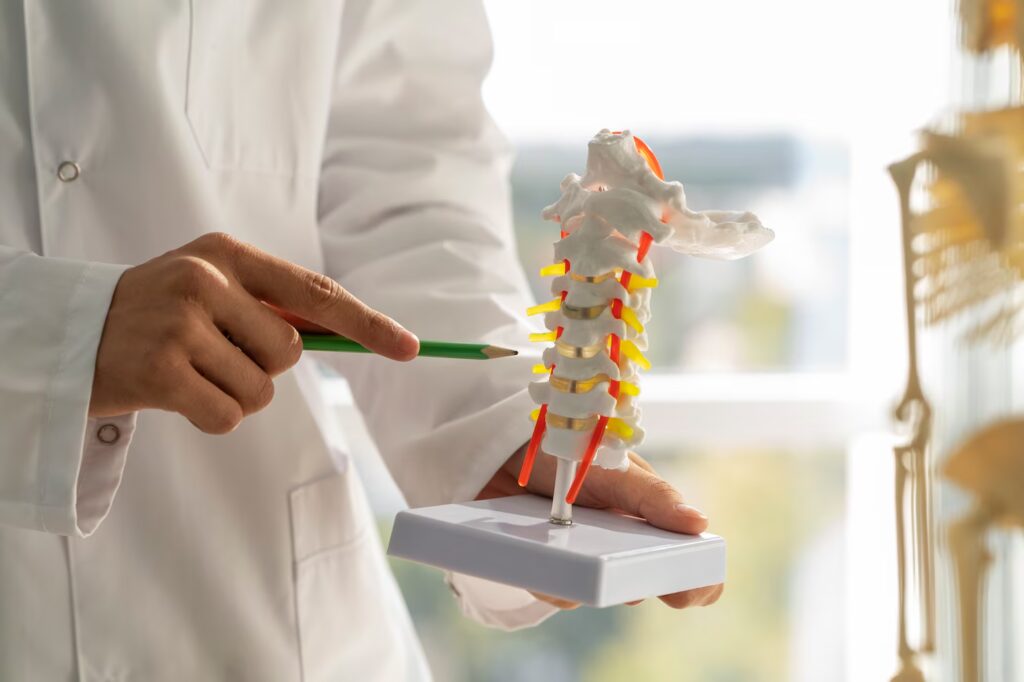
Spinal decompression addresses disc issues, but the spine doesn’t exist in isolation. Misalignments in the vertebrae can contribute to abnormal loading patterns that stress discs over time. Chiropractic adjustments restore proper spinal alignment, reducing mechanical strain and creating a healthier environment for disc healing.
At ChiroMed, we take what we call a Three Pillars approach to care: Alignment, Core Stability, and Healthy Intake. Adjustments handle the alignment piece. Functional rehabilitation builds the core strength needed to support your spine long-term. And nutritional guidance helps reduce inflammation and supports tissue repair from the inside out.
This comprehensive approach reflects our philosophy of helping patients get well and stay well, not just feel better temporarily.
Recovery Expectations and Honest Limitations
Here’s the truth about sciatica treatment: not every patient responds the same way. Some people experience dramatic improvement within weeks. Others see gradual progress over a longer timeline. And in certain cases, particularly when there’s significant nerve damage or severe structural problems, conservative care may not be enough.
We always start with a thorough evaluation so we can give you realistic expectations for your specific situation. If we don’t think decompression or chiropractic care is likely to help, we’ll tell you. And if your symptoms suggest something requiring surgical evaluation or other medical intervention, we’ll point you in the right direction.
What we won’t do is string you along with endless treatments that aren’t producing results. After treating more than 3,500 patients over 30 years, Dr. Jeff has seen enough cases to recognize when someone is responding to care and when a different approach is needed.
Signs You Shouldn’t Wait to Get Help
Most sciatica cases, while painful, aren’t emergencies. But certain symptoms require immediate medical attention:
- Sudden, severe weakness in one or both legs
- Loss of bladder or bowel control
- Numbness in the groin or inner thigh area (saddle anesthesia)
- Rapidly worsening neurological symptoms
These can indicate cauda equina syndrome, a rare but serious condition requiring emergency care. If you experience any of these, go to the emergency room rather than waiting for a chiropractic appointment.
For typical sciatica without these red flags, prompt treatment still matters. The longer nerve compression continues, the more difficult recovery can become. Patients who seek care early often respond faster than those who push through pain for months before getting help.
Frequently Asked Questions
How many spinal decompression sessions will I need? Most treatment plans involve 12 to 20 sessions over four to six weeks, though this varies based on your condition’s severity and your response to treatment. Dr. Jeff will give you a specific recommendation after your evaluation.
Is spinal decompression painful? Most patients find it comfortable and even relaxing. You’ll feel a gentle stretching sensation in your lower back, but it shouldn’t be painful. If you experience discomfort during a session, the settings can be adjusted.
Can I receive decompression therapy if I’ve had back surgery? It depends on the type of surgery. Patients with spinal fusion hardware or artificial discs are typically not candidates. Those who’ve had other procedures may still be eligible. We evaluate each situation individually.
Does insurance cover spinal decompression? Coverage varies by plan. Our office works with most insurance providers and can help verify your benefits. We also offer affordable self-pay options for patients without coverage.
Take the Next Step Toward Relief
Living with sciatica affects everything, from how you sleep to whether you can sit through a workday or play with your kids. You don’t have to keep pushing through the pain and hoping it eventually fades on its own.
If you’re dealing with sciatica in Crawfordsville or the surrounding Montgomery County area, schedule an evaluation at ChiroMed to find out whether spinal decompression and chiropractic care can help. Call (765) 362-1500 or book online. We’re here to help you get well and stay well.