Introduction – What Is Functional Rehabilitation?
From "Muscle-Only" to Movement-Based Care
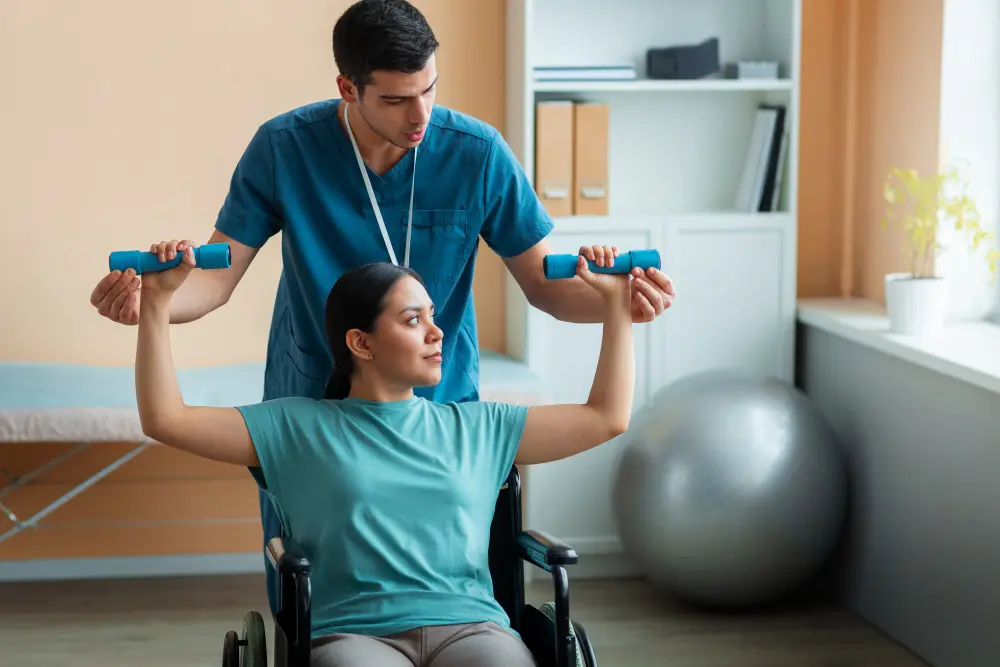
Functional rehabilitation is an approach to recovery that focuses on restoring real-life movement patterns rather than simply building isolated muscle strength. Instead of working one muscle at a time on a machine, functional rehab trains the body to perform the movements it actually needs in daily life—lifting groceries, reaching into a cabinet, walking on uneven ground, pushing a lawn mower, or pulling open a heavy door. This movement-based approach recognizes that the body works as a connected system and that true recovery means being able to use that system effectively.
At ChiroMed in Crawfordsville, functional rehabilitation is a core component of the clinic’s comprehensive treatment services. Dr. Jeff McIntyre understands that patients don’t just want to feel better—they want to get back to doing the things that matter to them. Functional rehab bridges the gap between pain relief and full participation in work, hobbies, and family life.
Why It Matters After an Injury
After a sprain, strain, or overuse injury, simply waiting for pain to fade is rarely enough to ensure a complete recovery. The body often develops compensatory movement patterns during healing that can create new problems down the road. Functional rehabilitation addresses these issues head-on by retraining proper movement and rebuilding the strength and coordination needed for safe, efficient activity.
This approach helps Crawfordsville-area patients return to work, sports, and daily tasks with greater confidence and reduced risk of re-injury. Whether you’re recovering from a weekend sports injury, dealing with the aftermath of a fall, or managing the cumulative effects of repetitive strain at work, functional rehab provides the active care component that passive treatments alone cannot deliver.
Way 1 – Restores Natural Movement Patterns Faster
Training the Body for Real Life, Not Just the Gym
One of the primary advantages of functional rehabilitation is its emphasis on multi-joint, weight-bearing exercises that mirror the demands of everyday activities. Rather than sitting on a machine that isolates a single muscle group, patients learn to perform movements like squats, lunges, carries, and overhead reaching—the same patterns they use when picking up a child, climbing stairs, carrying bags, or putting dishes away.
This real-world focus means that the strength and coordination gained in rehab translates directly to improved function outside the clinic. Crawfordsville patients who complete functional rehabilitation programs often find that the exercises they practice have immediate applications in their daily routines, making the connection between treatment and results clear and motivating.
Reducing Compensations and Bad Habits
When the body is injured, it naturally develops protective movement patterns to avoid pain. You might limp to take pressure off a sore knee, hunch your shoulders to guard a painful neck, or twist your torso to avoid bending a stiff low back. While these compensations serve a purpose in the short term, they can slow healing and create new pain problems if they persist.
Functional rehabilitation specifically targets these compensatory patterns, helping patients unlearn the limping, guarding, and stiff postures that develop after injury. By restoring proper movement mechanics, this approach prevents short-term adaptations from becoming long-term dysfunctions. Patients who address these patterns early in recovery often experience faster healing and fewer secondary complaints.
Way 2 – Builds Stability Around Injured Joints
Focusing on Stabilizer Muscles
The joints of the body rely on more than just the large, powerful muscles to function properly. Deep stabilizing muscles around the spine, shoulders, hips, knees, and ankles provide the foundation that allows bigger movements to happen safely. After an injury, these stabilizers often become inhibited or weakened, leaving joints vulnerable during activity.
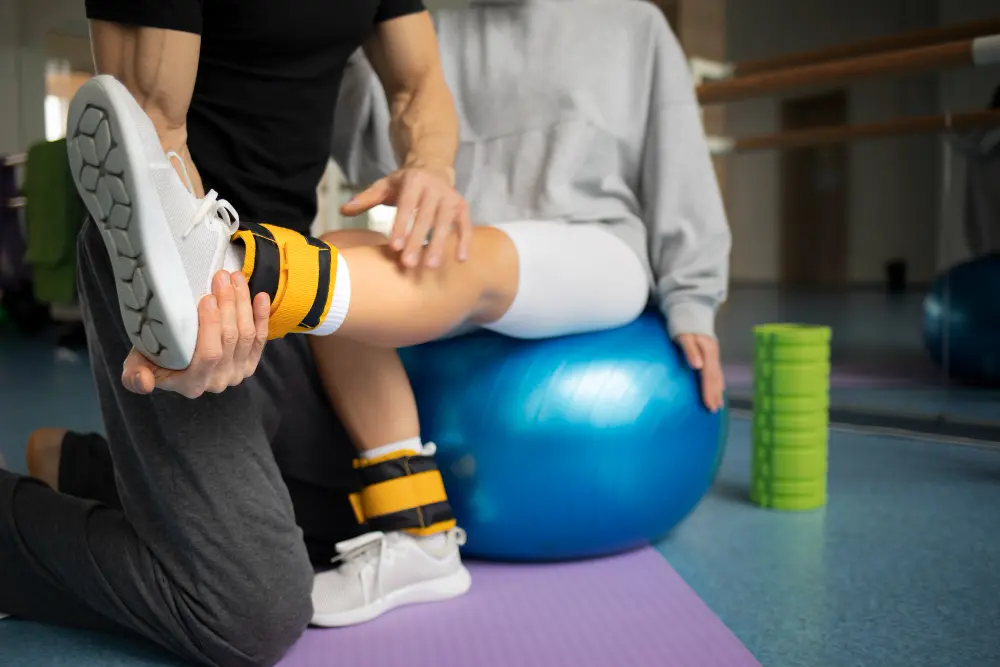
Functional rehabilitation includes targeted exercises designed to wake up and strengthen these critical stabilizing muscles. At ChiroMed, patients learn to activate their core musculature, rotator cuff, and hip stabilizers through carefully selected movements that challenge stability without overwhelming healing tissues. This foundation work creates a safer environment for more demanding activities later in recovery.
Protecting Against Re-Injury
Better joint stability directly translates to reduced strain on healing ligaments, tendons, and muscles during everyday movement. When stabilizers are strong and responsive, they help control joint position and absorb forces before they can damage recovering structures. This protective effect is one of the key reasons functional rehab can speed recovery and reduce the likelihood of setbacks.
Patients dealing with conditions like sciatica often find that building core stability helps reduce nerve irritation by improving spinal alignment and control. The same principle applies throughout the body—stable joints are healthier joints that can handle the demands of normal activity without breaking down.
Way 3 – Improves Balance, Coordination, and Body Awareness
Retraining the Nervous System
Injuries don’t just affect muscles, bones, and joints—they also disrupt the nervous system’s ability to sense and control movement. Proprioception, the body’s awareness of its position and movement in space, can become impaired after sprains, strains, and other injuries. This loss of body awareness makes movement less precise and increases the risk of awkward landings, missteps, and loss of balance.
Functional rehabilitation incorporates balance drills, single-leg exercises, and dynamic movements specifically designed to sharpen proprioception. These activities challenge the nervous system to improve its communication with muscles and joints, restoring the quick reactions and fine motor control that safe movement requires. Crawfordsville patients often notice improvements in their overall coordination that extend well beyond the original injury site.
Preventing Future Falls and Missteps
Improved coordination and reaction time have practical benefits that extend far into the future. Faster reflexes mean fewer stumbles on uneven sidewalks, quicker recoveries from unexpected slips, and more controlled landings when stepping off curbs or navigating stairs. These small improvements in movement quality add up to significantly reduced risk of re-aggravating an old injury or creating a new one.
For patients who have experienced multiple ankle sprains, recurrent back episodes, or repeated shoulder problems, this nervous system retraining can break the cycle of injury and re-injury. By rebuilding the body’s natural protective responses, functional rehab helps patients move through their daily lives with less fear and greater confidence.
Way 4 – Reduces Pain by Correcting Biomechanics
Fixing the "Why" Behind the Injury
Many injuries don’t happen purely by accident—they result from accumulated stress caused by faulty movement mechanics. Poor squat form can overload the low back, shoulder impingement patterns can irritate rotator cuff tendons, and hip weakness can drive excessive stress into the knees. Functional rehabilitation looks beyond the painful area to identify and correct these underlying mechanical problems.
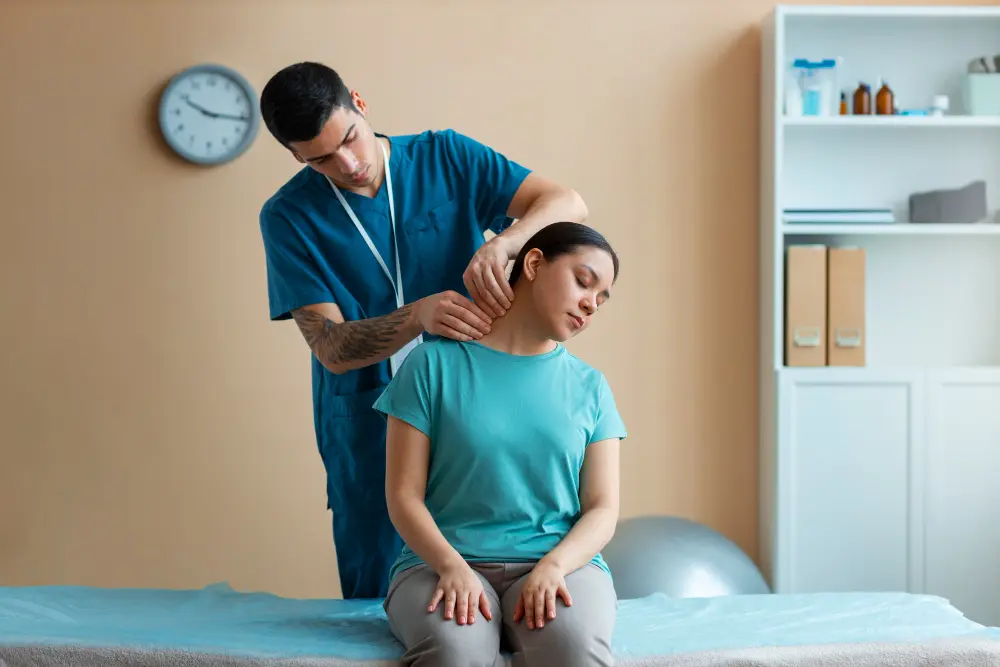
This approach addresses the root cause of many pain conditions rather than simply treating symptoms. Patients dealing with headaches and migraines often benefit from this comprehensive perspective, as poor posture and movement patterns in the neck and upper back can contribute to head pain. Similarly, neck pain frequently improves when shoulder mechanics and thoracic spine mobility are addressed alongside direct treatment of the cervical region.
Making Every Step, Lift, and Reach Safer
When movement technique improves, the stress on irritated tissues decreases with every repetition. A patient who learns to lift with better hip mechanics takes pressure off their low back with every box they pick up. Someone who corrects their overhead reaching pattern reduces rotator cuff strain every time they grab something from a high shelf.
These mechanical improvements compound over time, often leading to lasting reductions in pain and improved long-term comfort. Rather than managing symptoms indefinitely, patients who correct their biomechanics through functional rehab frequently find that their pain resolves because the mechanical cause has been addressed.
Way 5 – Speeds the Transition Back to Sport and Daily Activities
Gradual, Realistic Progression
Returning to full activity after an injury requires a thoughtful, progressive approach. Jumping back into demanding tasks too quickly invites setbacks, while being overly cautious can delay recovery unnecessarily. Functional rehabilitation provides a structured framework for progression that starts with low-load, controlled movements and advances toward higher-demand tasks that match the patient’s work requirements or sport.
At ChiroMed, Dr. Jeff designs rehabilitation progressions that respect healing timelines while consistently challenging patients to improve. Each phase of recovery builds on the previous one, ensuring that patients develop the capacity to handle increasing demands safely. This systematic approach takes the guesswork out of returning to activity and helps Montgomery County patients get back to their lives with appropriate confidence.
Confidence as a Key to Recovery
Fear of re-injury can be as limiting as the injury itself. Patients who are unsure whether their body can handle certain movements often avoid activities they enjoy or perform them with tension and hesitation that actually increases injury risk. Functional rehabilitation addresses this psychological component by allowing patients to practice sport-specific or job-specific movements in a controlled, supervised environment.
Successfully completing progressively challenging exercises builds trust in the body’s capabilities. A construction worker who practices lifting and carrying in the clinic gains confidence that transfers to the job site. An athlete who performs sport-specific drills during rehab feels prepared to return to competition. This confidence is a crucial but often overlooked component of complete recovery.
How Chiropractors Integrate Functional Rehabilitation
Combining Adjustments With Active Care
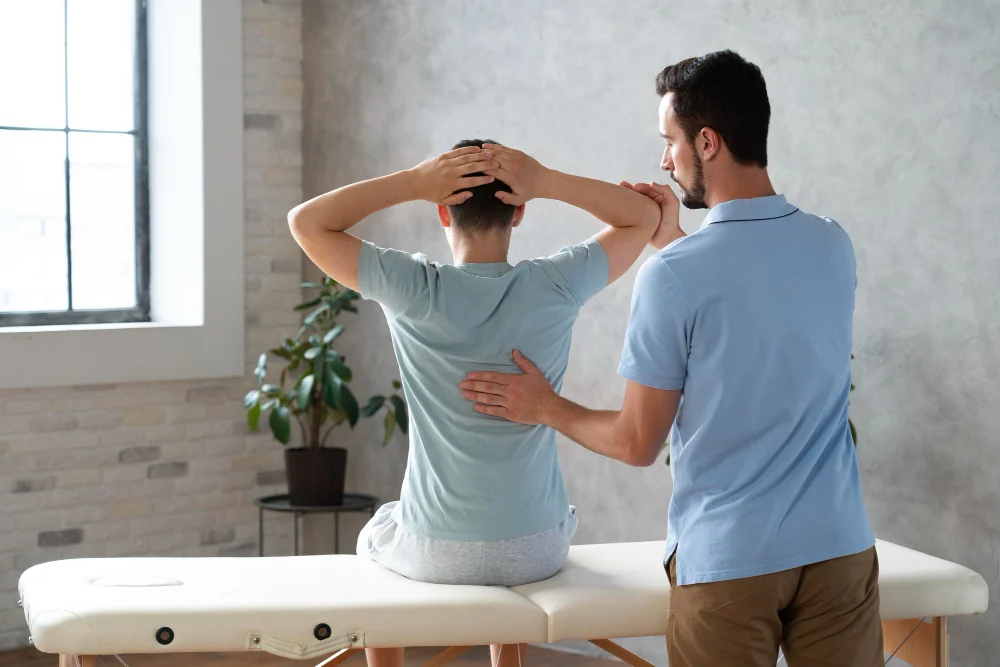
Chiropractic adjustments and functional rehabilitation work together synergistically. Spinal and joint adjustments help restore mobility, reduce restrictions, and create an environment where proper movement is possible. Functional rehabilitation then “locks in” those improvements by building the strength, stability, and motor control needed to maintain good alignment and mechanics during activity.
This combination approach addresses both the passive and active components of recovery. Adjustments remove barriers to movement, while exercises train the body to take advantage of that improved mobility. Crawfordsville patients who receive both forms of care often progress faster than those who rely on either approach alone.
Customized Plans for Each Injury
No two injuries are exactly alike, and functional rehabilitation programs reflect this reality. Exercise selection, intensity, frequency, and progression are all tailored to the individual patient’s diagnosis, current fitness level, recovery timeline, and personal goals. A weekend warrior recovering from a hamstring strain needs a different program than an office worker dealing with chronic low back stiffness.
Dr. Jeff takes time to understand each patient’s unique situation before designing a rehabilitation plan. This personalized approach ensures that exercises are appropriate, challenging, and relevant to each patient’s desired outcomes. Regular reassessment allows the program to evolve as the patient progresses, keeping rehabilitation focused and effective throughout the recovery process.
Signs You May Benefit From Functional Rehabilitation

When Pain Keeps Coming Back
If you’ve noticed a pattern of recurring injuries or pain that returns after periods of rest, functional rehabilitation may address the underlying causes that passive treatment alone cannot fix. Recurring ankle sprains, chronic low back pain that flares with activity, or shoulder issues that improve temporarily but always return are all signs that your body may need the active retraining that functional rehab provides.
These recurring patterns often indicate that compensatory movement habits, weakness in stabilizing muscles, or faulty biomechanics are setting the stage for repeated injury. Breaking this cycle requires more than rest and pain relief—it requires retraining the way your body moves and building the capacity to handle demands without breaking down.
Difficulty Returning to Normal Activities
Another clear indicator that functional rehabilitation could help is difficulty returning to activities you previously performed without trouble. If you find yourself avoiding stairs because of knee discomfort, hesitating before lifting at work due to back concerns, or feeling unstable during sports or hobbies you used to enjoy, your recovery may be incomplete.
These functional limitations suggest that while acute pain may have resolved, the underlying strength, stability, and coordination needed for full activity have not been restored. Functional rehabilitation specifically targets these deficits, helping Crawfordsville-area patients close the gap between “feeling okay” and truly being ready for the demands of their daily lives.
Getting Started With Functional Rehab at Your Chiropractic Clinic
What to Expect in Your First Visit
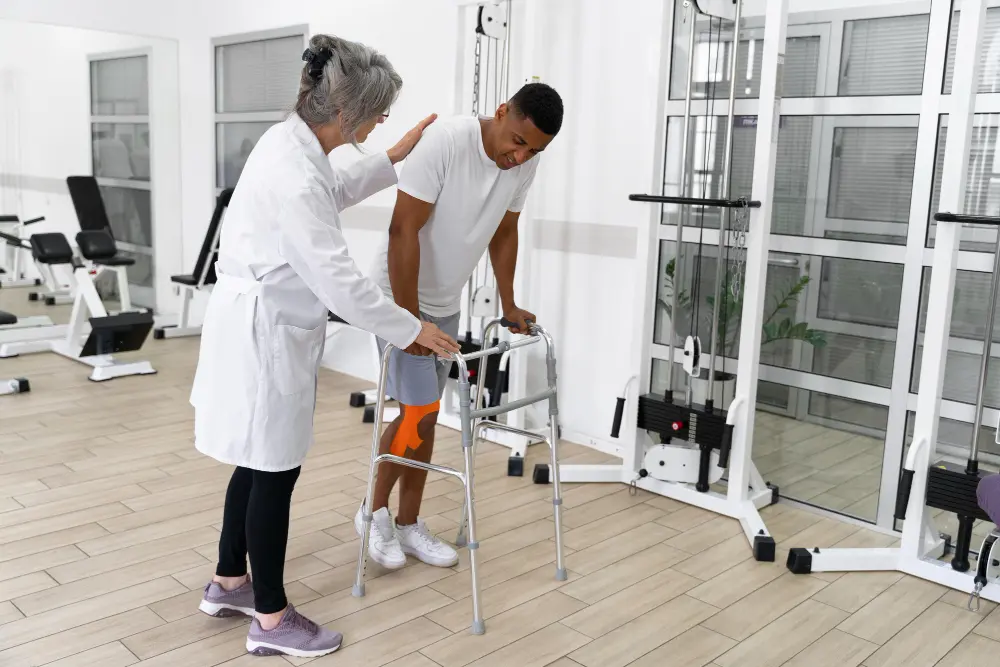
Beginning functional rehabilitation at ChiroMed starts with a thorough evaluation. Dr. Jeff will review your health history, discuss your injury and any previous treatments, and learn about your goals for recovery. A movement assessment helps identify areas of restriction, weakness, or faulty mechanics that may be contributing to your condition.
This initial evaluation forms the foundation for your personalized treatment plan. By understanding how your body currently moves and where improvements are needed, Dr. Jeff can select exercises and interventions that target your specific limitations. Goal-setting ensures that your rehabilitation program stays focused on outcomes that matter to you.
Building a Plan for Long-Term Recovery
Complete recovery from injury involves more than just eliminating pain—it means restoring the strength, stability, coordination, and confidence needed to participate fully in life without fear of re-injury. Functional rehabilitation provides the active care component that makes this comprehensive recovery possible.
If you’re ready to move beyond symptom management and work toward lasting improvement, consider partnering with a chiropractor who offers both hands-on care and functional rehabilitation. The team at ChiroMed in Crawfordsville is committed to helping patients recover fully and stay active for the long term. Contact the clinic today to schedule your evaluation and take the first step toward getting back to the activities you love.